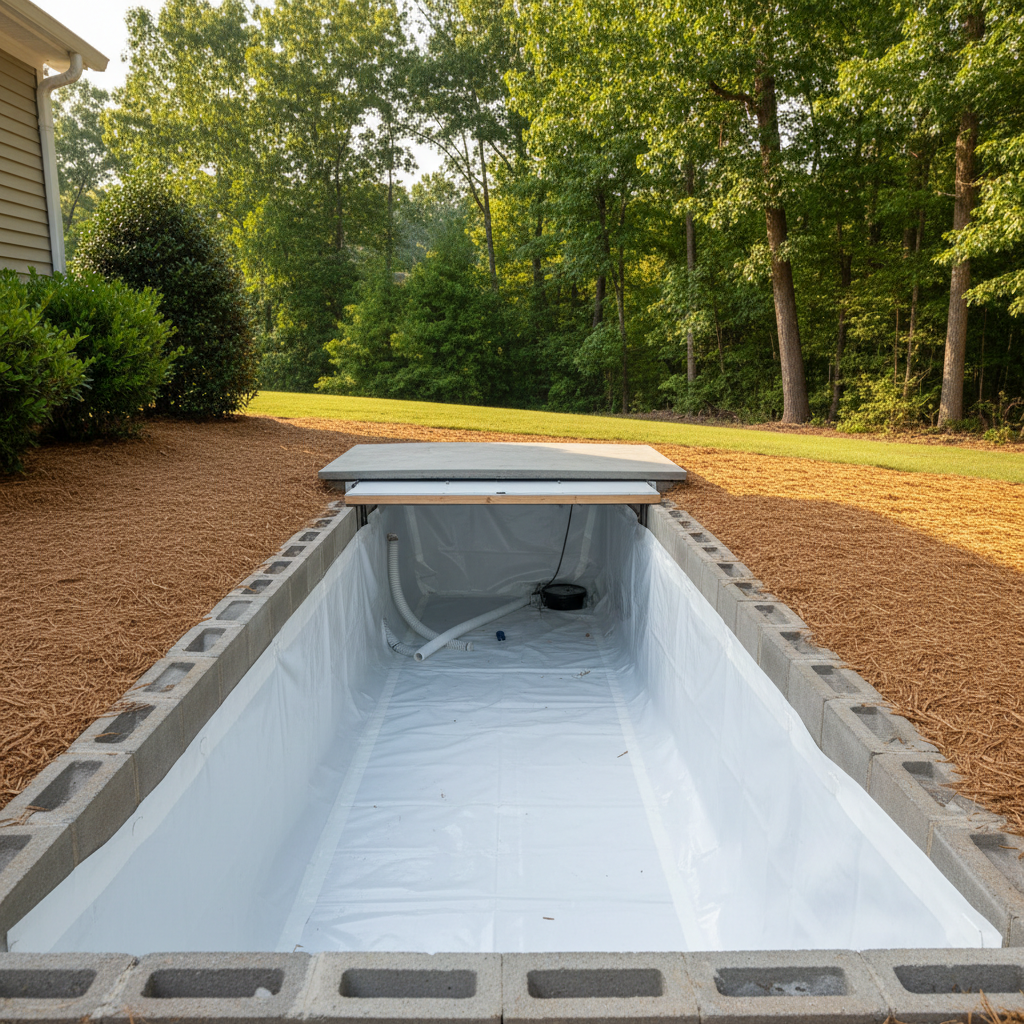
Standing water under your house is never something you want to ignore. If you live around Marietta, you already know how our red clay holds onto moisture after a heavy summer downpour. When that water finds its way into your crawl space, panic usually sets in, and that is when mistakes happen.
Homeowners often rush into a project without doing their homework, only to deal with mold, sagging joists, or a recurring swamp six months later. Safe Harbor Restoration Company wants to walk through the biggest missteps people make when tackling crawl space water removal around here so you can keep your hard-earned cash in your pocket.
Treating the Symptom Instead of the Source
The most common mistake is pumping out the water and calling it a day. Water does not just appear under your foundation for no reason. Maybe your grading slopes toward the house, or your gutters dump roof runoff right beside the brick pier. If you do not figure out where the water is coming from, you are just paying for a temporary fix. A real plan always starts with exterior drainage and grading adjustments before anyone starts talking about interior systems.
Falling for Cheap Quick Fixes
You get three quotes, and one guy comes in at half the price of everyone else. It is tempting to sign right there. Do not do it. Cheap bids usually mean cheap sump pumps that will burn out in a year, thin vapor barriers that tear if you look at them wrong, or shortcuts on electrical work. Safe Harbor Restoration Company spends half our time fixing work done by the lowest bidder. Do it right the first time.
- Using thin, non-reinforced plastic sheeting that disintegrates
- Skipping a proper perimeter trench or French drain
- Installing undersized sump pumps without battery backups
Ignoring the Humidity and Mold Factor
Getting the standing water out is only half the battle. Georgia humidity will trap residual moisture in your floor joists and subflooring if the space is not dried out properly. Homeowners often forget about dehumidification and antimicrobial treatments. If a contractor just sucks up the puddles and leaves without setting up heavy-duty drying equipment, you are inviting wood rot and mold colonies to move right in.
Skipping Written Guarantees
Never rely on a handshake or a vague promise that the water will not come back. Marietta weather can test even the best waterproofing systems during severe storm seasons. Make sure your contractor puts their warranty in writing, covering both equipment failure and workmanship. If they hesitate to back their work on paper, show them the door.
Taking care of your crawl space protects the entire structure of your home. Slow down, ask the tough questions, and make sure whoever you hire understands the unique challenges we face with local soils and weather patterns.