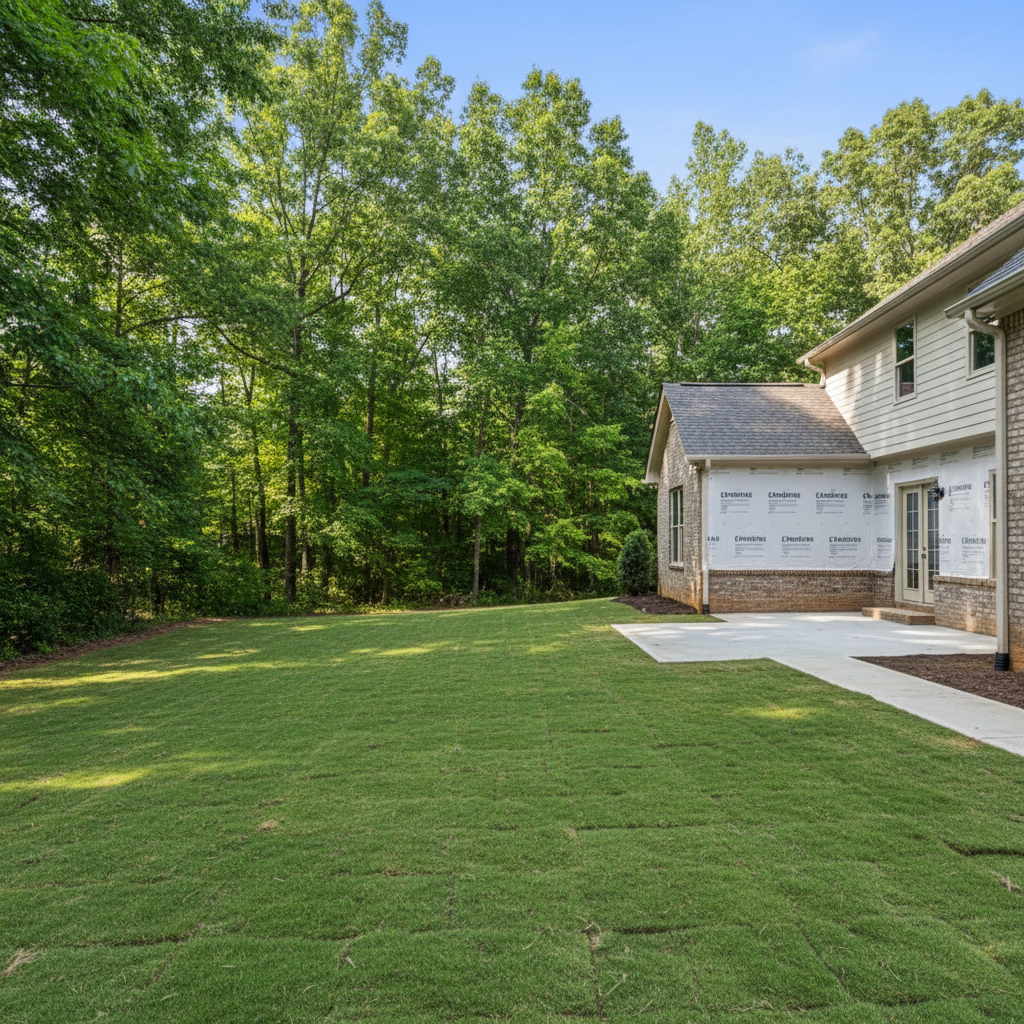
Water gets everywhere fast, and if you have lived through a heavy downpour near the Historic Marietta Square, you already know how quickly local red clay can turn your yard into a holding pond. Dealing with the aftermath of high water takes more than just pulling up wet carpet and setting out a box fan. Safe Harbor Restoration Company spends a lot of time helping homeowners pick up the pieces after major storms roll through Cobb County.
Extending the life of your Water Damage Restoration work comes down to managing the invisible threat: ambient moisture. Our North Georgia summers bring thick, heavy humidity that will warp wood framing and breed mold colonies within days if you do not let your guard down. Once structural drying is complete, you have to stay proactive.
What Regular Maintenance Looks Like
- Check your crawl space or basement monthly to make sure your sump pump is clear of debris and actually discharging water far away from your foundation.
- Inspect the perimeter grading around your house after heavy rain to ensure water flows away from exterior walls rather than pooling against them.
- Change your HVAC air filters regularly, and keep an eye on indoor humidity levels using a cheap digital hygrometer—try to keep your living space below fifty-five percent humidity.
- Test your battery backup sump pump system twice a year so you are never caught off guard during a severe spring thunderstorm.
Ignoring these routine steps is a fast track to secondary damage. Our regional climate does not forgive laziness when it comes to moisture control.
Warning Signs of Returning Trouble
You need to know what to look for before minor dampness turns into a major disaster. If you notice a faint, earthy musty smell lingering in your hallway or closets, mold is likely starting to colonize behind the drywall. Peeling baseboards, warped hardwood floors, and bubbling paint are classic red flags that moisture is still trapped deep inside your building materials.
Stachybotrys and other nasty molds love the dark, humid voids underneath older homes in neighborhoods with mature trees and shaded yards. If doors start sticking in their frames or drywall cracks appear out of nowhere, the subfloor framing may have weakened from prolonged saturation.
When to Call a Professional
Some weekend DIY tasks make sense, but Water Damage Restoration usually demands specialized gear. If standing water covers more than a small room, or if you spot dark mold patches larger than a few square feet, put down the sponge and bring in a pro. Safe Harbor Restoration Company uses thermal imaging cameras and heavy-duty commercial dehumidifiers that pull gallons of water straight out of concrete slab foundations and structural studs long after the surface feels dry to the touch.